 InkAI
InkAI 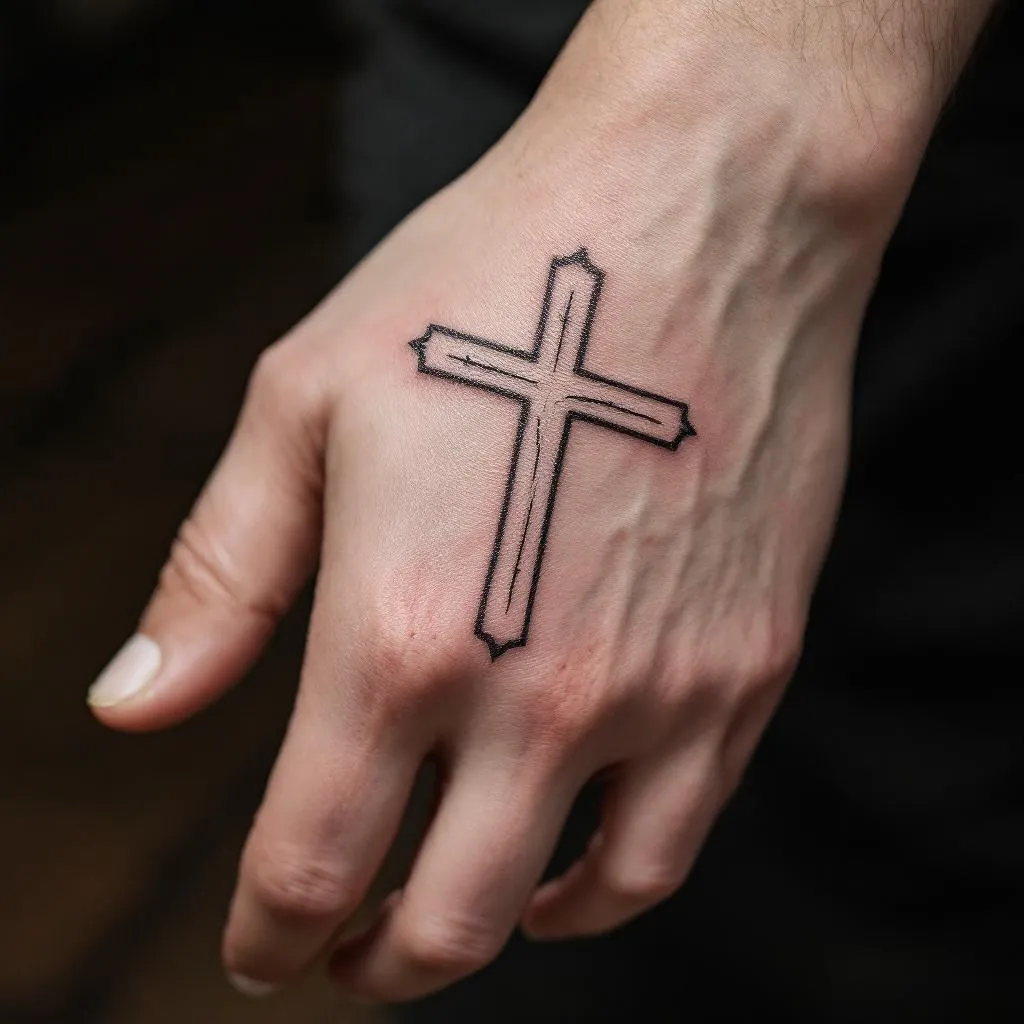
Hand, Roman Catholic, White Ink Tattoo
Minimalist style
✨ Design Your Dream TattooDesign Description
A tattoo for the hand of a white male. larger hand but slim and not overly thick fingers etc. The motive should be roman catholic, made with white ink. It should look almost like scars. The goal is it to be a private tattoo, so a pale tattoo. It should convey pride for christ.
Tattoo Meaning & Symbolism
This white-ink hand tattoo is conceived as a quiet, intimate witness of Christian faith. Executed to resemble pale scar tissue rather than bold ink, it evokes the wounds and humility of Christ without shouting—subtle marks that read as lived testimony. Elements such as three short, fingernail-like marks across the back of the hand or a faint, elongated cruciform that follows the natural tendons reference the Passion: sacrifice, redemption, and the acceptance of suffering as a form of spiritual witness. The scar-like texture suggests endurance and a life marked by faith rather than a decorative proclamation, turning the body into a private reliquary of devotion and pride in Christ.
Tattoo Style & Placement
On a larger hand with slim, not overly thick fingers, the design benefits from vertical and linear placement that complements long proportions. Consider a narrow, white-ink crucifix aligned with the index metacarpal so it reads naturally with hand movement, or three short, slightly raised-looking marks across the dorsal hand where the knuckles meet the metacarpals to mimic stigmata. Fine-line white ink, micro-dot shading, and strategic negative space will produce the scar-like illusion—soft edges and thin, intentional irregularities make the marks read as healed wounds. Placement along tendons or the outer edge of the hand near the thumb keeps the piece discreet; when the hand relaxes or is at rest the design will be pale and private, emerging only in certain lights or close viewing, which suits the goal of a personal, understated declaration of faith.
Personal & Cultural Significance
For a Roman Catholic, these scar-like white-ink marks can carry layered meaning: personal imitation of Christ’s suffering (stigmata-inspired symbolism), a reminder of baptismal rebirth through the idea of scarred-but-healed flesh, and a daily, bodily devotion that is both penitential and proud. Culturally, the imagery ties into centuries of Catholic iconography—the crucifix, the wounds of Christ, and rosary-driven meditative practices—while modernizing them into a discreet, contemporary form. Because the design is intentionally pale and scar-like, it also speaks to humility and interiority: it is a mark meant first for the wearer and for intimate witnesses, rather than public display or spectacle.
Similar Tattoo Ideas
- White-ink micro crucifix along the index metacarpal
- Three white-ink nail-scar marks across the dorsal hand (stigmata-inspired)
- Subtle crown of thorns wrapped around the base of the thumb in pale ink
- Single white-ink rosary bead pattern tracing the side of the hand
- Thin Chi-Rho symbol rendered in faded white on the outer hand
- Small, pale IHS monogram tucked near the wrist crease
Conclusion
This pale, scar-like white-ink hand tattoo balances private devotion with visible pride in Christ by using subtlety as its primary language. Tailored to a larger hand with slim fingers, it follows anatomical lines to feel natural and intentional. The result is a deeply personal emblem—quiet, resilient, and unmistakably rooted in Roman Catholic symbolism—that ages into a gentle, lived mark of faith rather than a loud statement. For someone who wants their belief to be a constant, tactile presence rather than public display, this approach offers a powerful and elegant solution.
Similar Designs You Might Like





Try On
Preparing your design...
